
At MindBridge Behavioral Health, we provide comprehensive behavioral health care for children, adolescents, and young adults from the perspective of a pediatrician.
This is different from a traditional psychiatric practice.
Psychiatrists complete psychiatry residency followed by fellowship training in child and adolescent psychiatry. My training took a different — and highly complementary — path. I am a board-certified pediatrician with 25 years of experience in private practice, caring for patients from newborns through college-age young adults.
That background matters.
As a pediatrician, I approach mental health conditions like ADHD, anxiety, and depression within the full context of a child or young adult’s life.
Mental health doesn’t exist in isolation, and neither should care.


Evidence-Based Care: The Collaborative Care Model
ABOUT US
Our Approach

I have been in private pediatric practice since 2001. Over the course of my career, I have provided care for well visits, acute illness, and chronic conditions across all stages of childhood and adolescence.
Over the last decade, a major shift became impossible to ignore: mental health concerns were becoming a central part of pediatric primary care.
I have provided over 5,000 dedicated mental health visits for conditions such as ADHD, anxiety, depression, mood dysregulation, OCD, and related concerns.
This experience — combined with my long-term relationships with patients and families — led me to build something new.
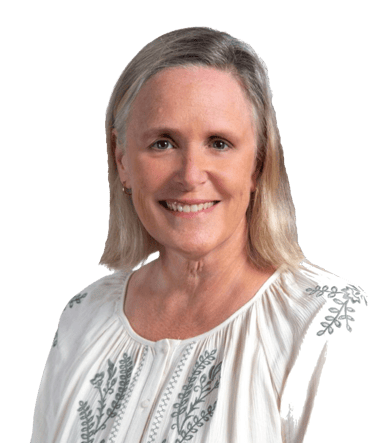
Dr. Gretchen Hoyle, M.D.
Founder and Medical Director
MindBridge Behavioral Health uses the Psychiatric Collaborative Care Model (CoCM) for patients who need a higher level of ongoing support.
Collaborative Care is a nationally recognized, evidence-based approach to treating mental health conditions in medical settings. It includes:
Behavioral Health Care Managers who provide ongoing follow-up, coordination, and coaching
Psychiatric consultation to guide treatment planning
Measurement-based care using validated symptom scales
Close collaboration with families, schools, and therapists